

Lauren Groff and Marion Turner to Deliver 2026 Francis A. McAnaney Humanities Lecture
By BARBARA ALLISON
On September 23, bestselling author Lauren Groff and Oxford professor and Chaucer scholar Marion Turner will share the stage of O’Laughlin Auditorium to deliver the 2026 Francis A. McAnaney Humanities Lecture. Groff is the author of six novels and three short story collections. Turner, the JRR Tolkien Professor of English Literature and Language at the University of Oxford, is the author and editor of numerous books and scholarly articles on Medieval studies, Chaucer, and a biography of his most-enduring character, Alison, Wife of Bath. Together, the two authors will discuss storytelling and truth-telling, both literary and fictional.
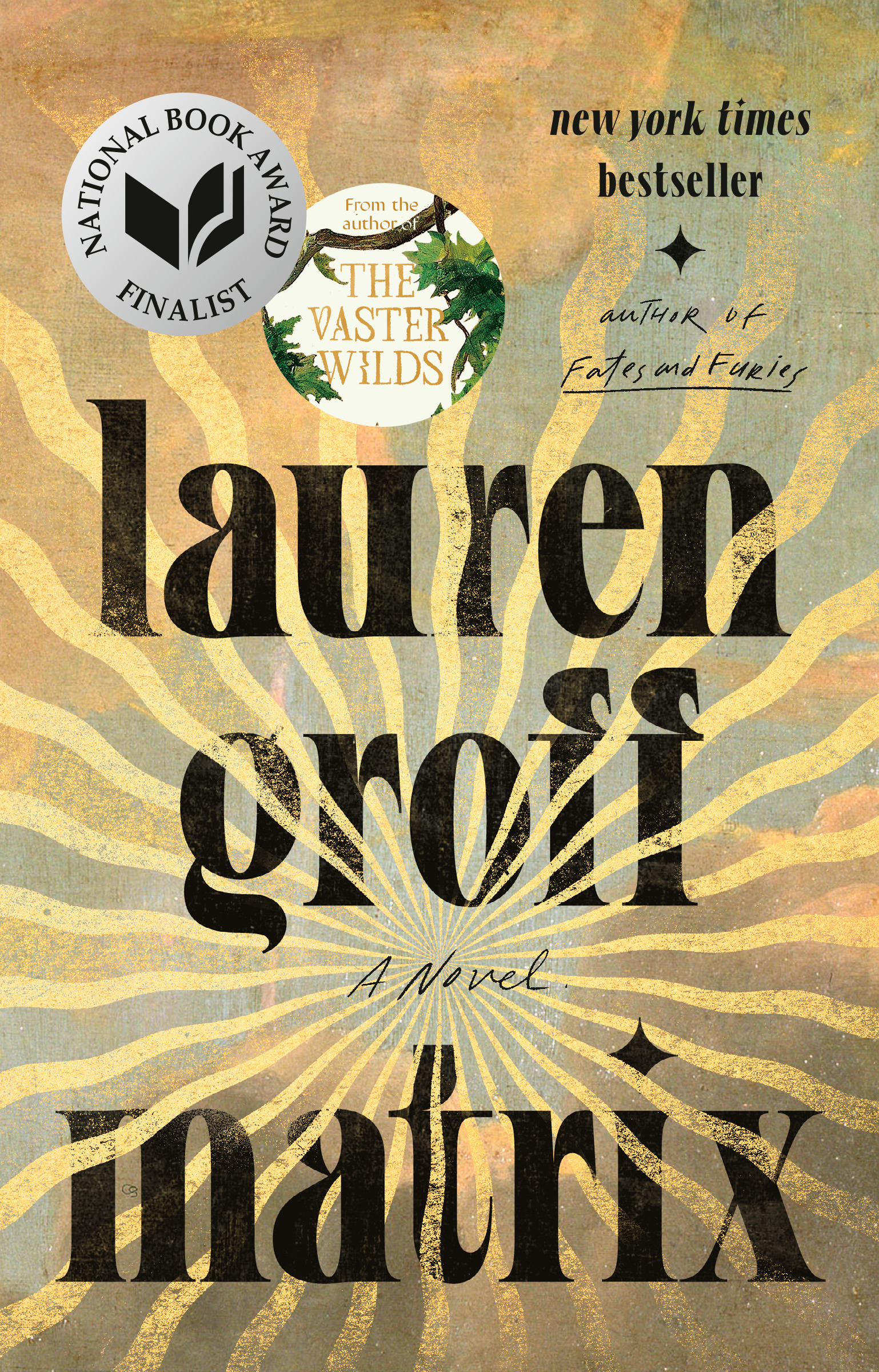
The lecture will be Turner’s first visit to the College. Groff visited Saint Mary's after the publication of Matrix, and “was blown away by the beauty of the school and the students' brilliance. I'm so excited to revisit” Groff said. “I hope the students feel liberated to speak with great freedom and to step into their own power; I hope the public discussion is lively and fun.”
In Groff’s novel Matrix and in Turner’s Wife of Bath, A Biography, women and the rich lives they create are the central themes explored in each book. In both works, women tell their own stories and build their lives both independent and interdependent of men. Turner said, “One of the profoundly important things about studying the humanities is that it shows us what unites people, but it also shows us the importance of trying to respect and understand differences across time, different ways of thinking, and that is how we become critical thinkers.”
In Matrix, 17-year-old Marie de France, the illegitimate sister-in-law of Eleanor of Aquitaine, is banished by her to an impoverished abbey. Rather than succumb to hunger and disease, Marie spends the remainder of her long life leading the nuns into an era of freedom and prosperity. She builds a world of self-reliance and resilience. The novel explores themes of female power and love, of heresy and of hubris. In her attempt to eschew men, Groff notes, “Marie succumbs a bit to the power trip that she does not want men to have over her.”
One of the profoundly important things about studying the humanities is that it shows us what unites people, but it also shows us the importance of trying to respect and understand differences across time, different ways of thinking, and that is how we become critical thinkers.
- Marion Turner
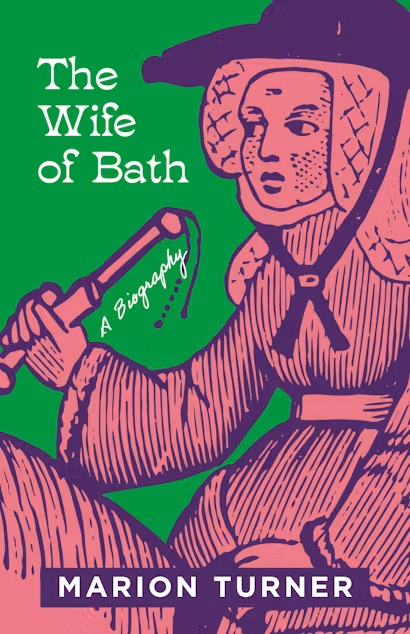
Turner’s Wife of Bath, A Biography explores the enduring legacy of Chaucer’s most famous character, Alison of Bath. She’s unique in that she’s a middle-aged, ordinary woman who’s been married multiple times. She is not noble by birth, she is not a woman religious, nor is she a caricature of a devious female trope. Alison was as enduring a character in Medieval times as she is today. Much like Marie in Matrix, Alison lives by her own rules.
In her book, Turner states: “Women can have no likelihood of autonomy if they are financially dependent on men.” For those who survived the Black Death, which killed 33 percent of the population of Europe, it was a time ripe with economic opportunities. “For the survivors, there was a massive economic boom. Women were able to take more jobs and move to the cities,” Turner explained.
Though Marie de France and Alison of Bath are fictional characters who lived centuries prior to us, their stories resonate with today’s readers. Of Alison, Turner says: “she's teaching us the importance of calling things out. She’s making it clear that for 50 percent of the population, their voices aren't being heard. Where's it coming from? What's their bias? That could hardly be more relevant for us today.”
Four of Groff’s books have been chosen as favorite books of the year by Former President Barack Obama, an avid reader. She described the honor as life-changing. “When he said publicly that he liked Fates and Furies, he changed my life because suddenly other men felt liberated to read my work. This is bittersweet, of course, because I hadn't changed, and the work hadn't changed, and it was just as good before a powerful man put his imprimatur upon it.”
The Humanities Lecture marks the first time the two authors will meet in-person. “I'm a super-fan of Marion Turner, and can't wait to simply sit in her presence,” Groff said. Turner agreed, adding that they are collaborating on a future project at the University of Oxford. “She’s the perfect partner because we share a lot of the same interests. There are several people who've written recent responses to medieval texts, and Matrix is one of the absolute best, most creative, innovative, and exciting responses,” Turner said.
Tickets are still available for the 2026 Francis A. McAnaney Humanities Lecture. For more information, visit An Evening with Lauren Groff and Marion Turner | Saint Mary's College.
September 15, 2026