
Experiential Learning in the World’s Most Biodiverse Region
By BARBARA ALLISON
The existing scientific literature regarding the yellow-footed tortoises in Ecuador is both limited and outdated. Most published data on this threatened species are at least 40 years old and are from the Brazilian Amazon. Vanessa Hilliard, associate professor of Biology at Saint Mary’s College, aims to change that narrative when she, along with Sofia Dahl-Santoro ’27, ventures to Ecuador this summer to study the ecology of the planet’s most biodiverse region.
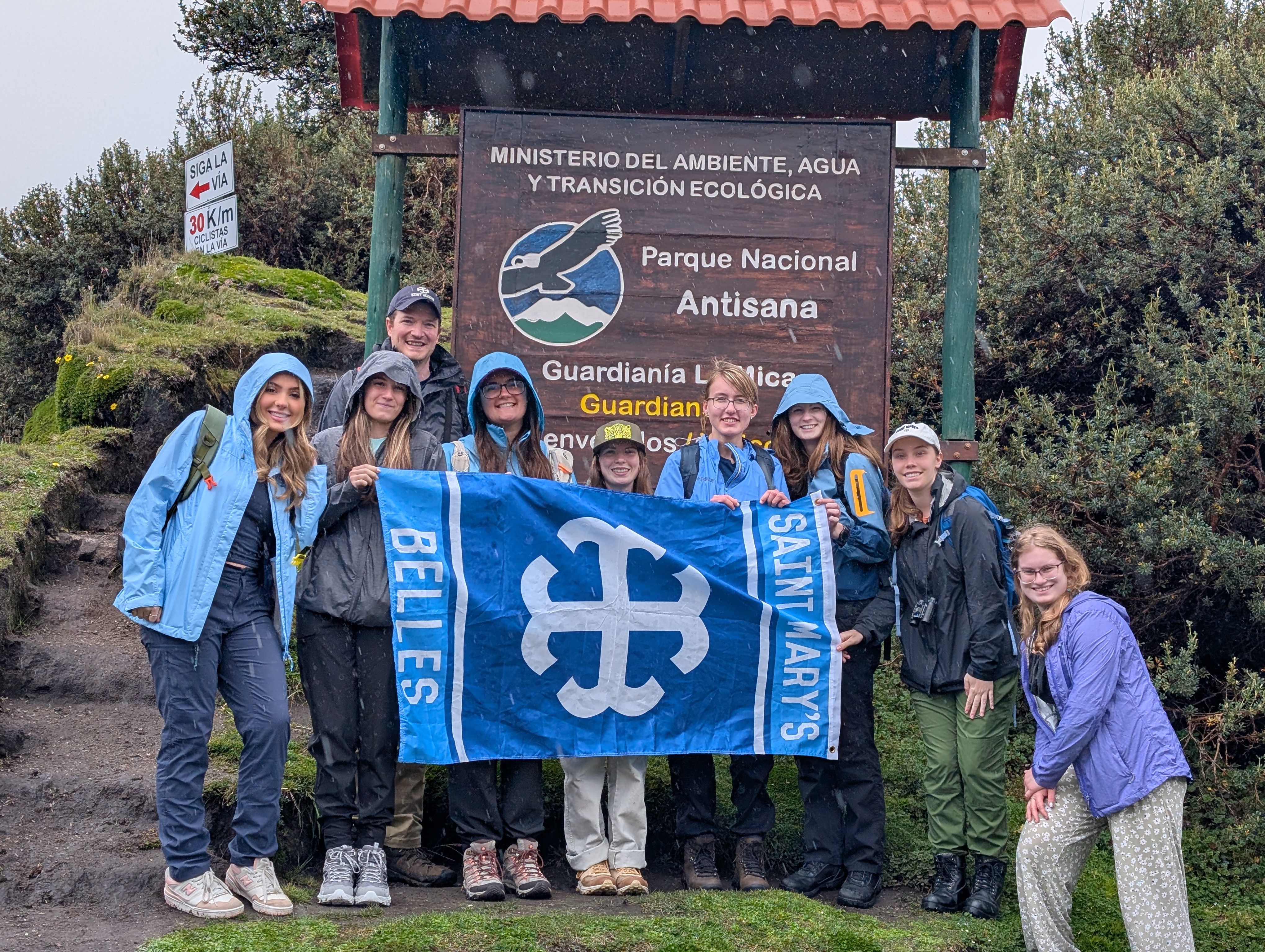
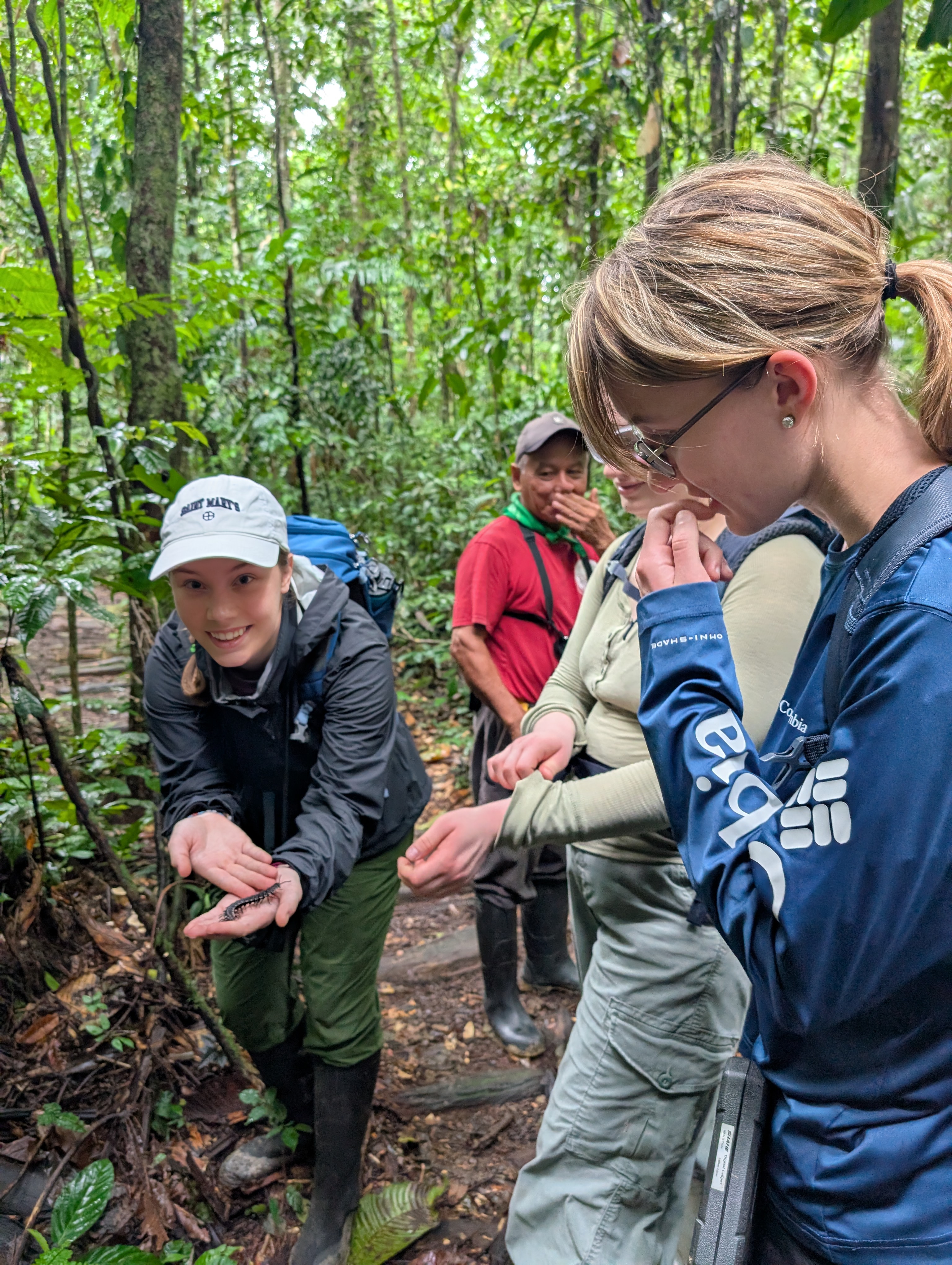
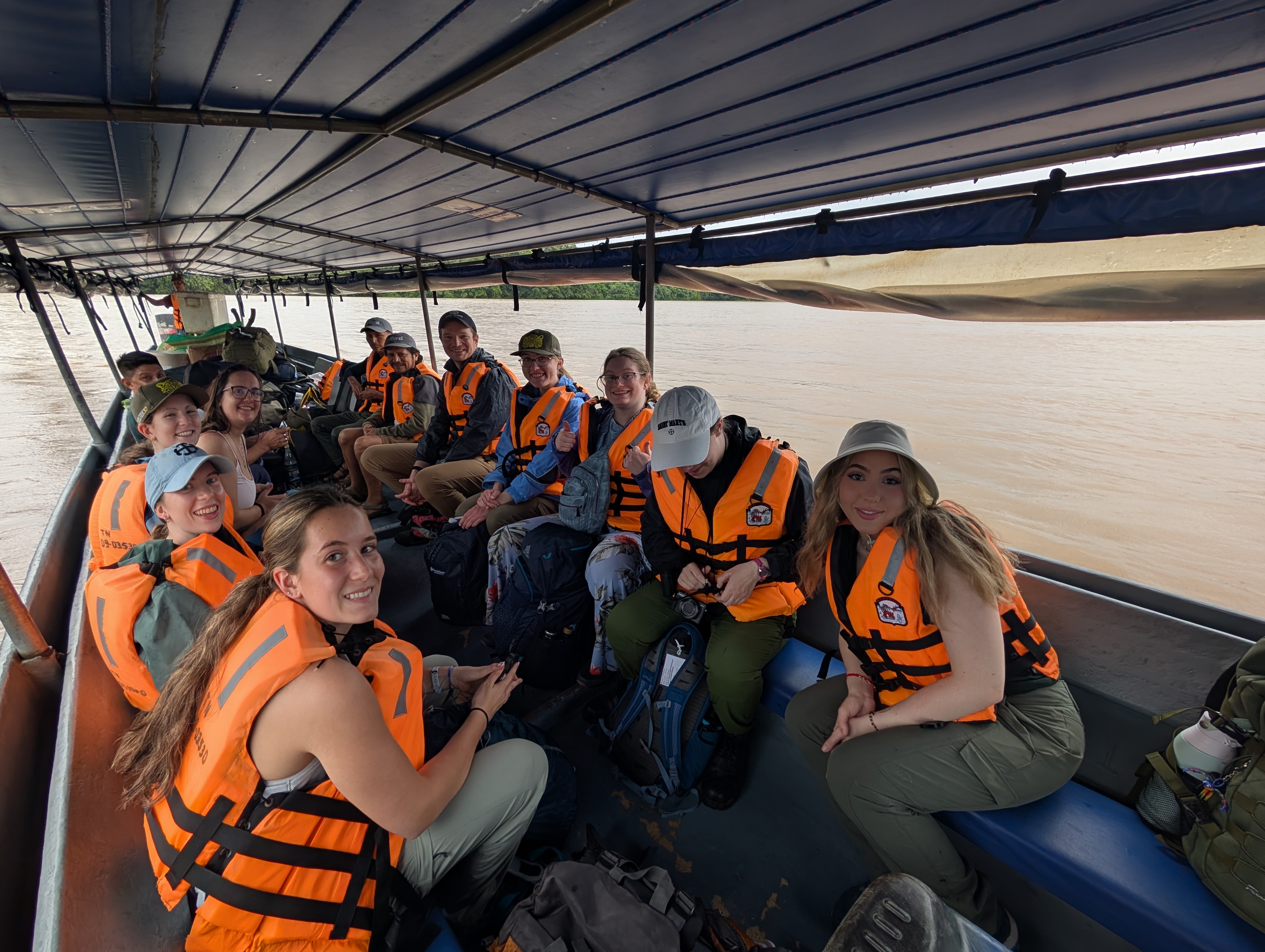
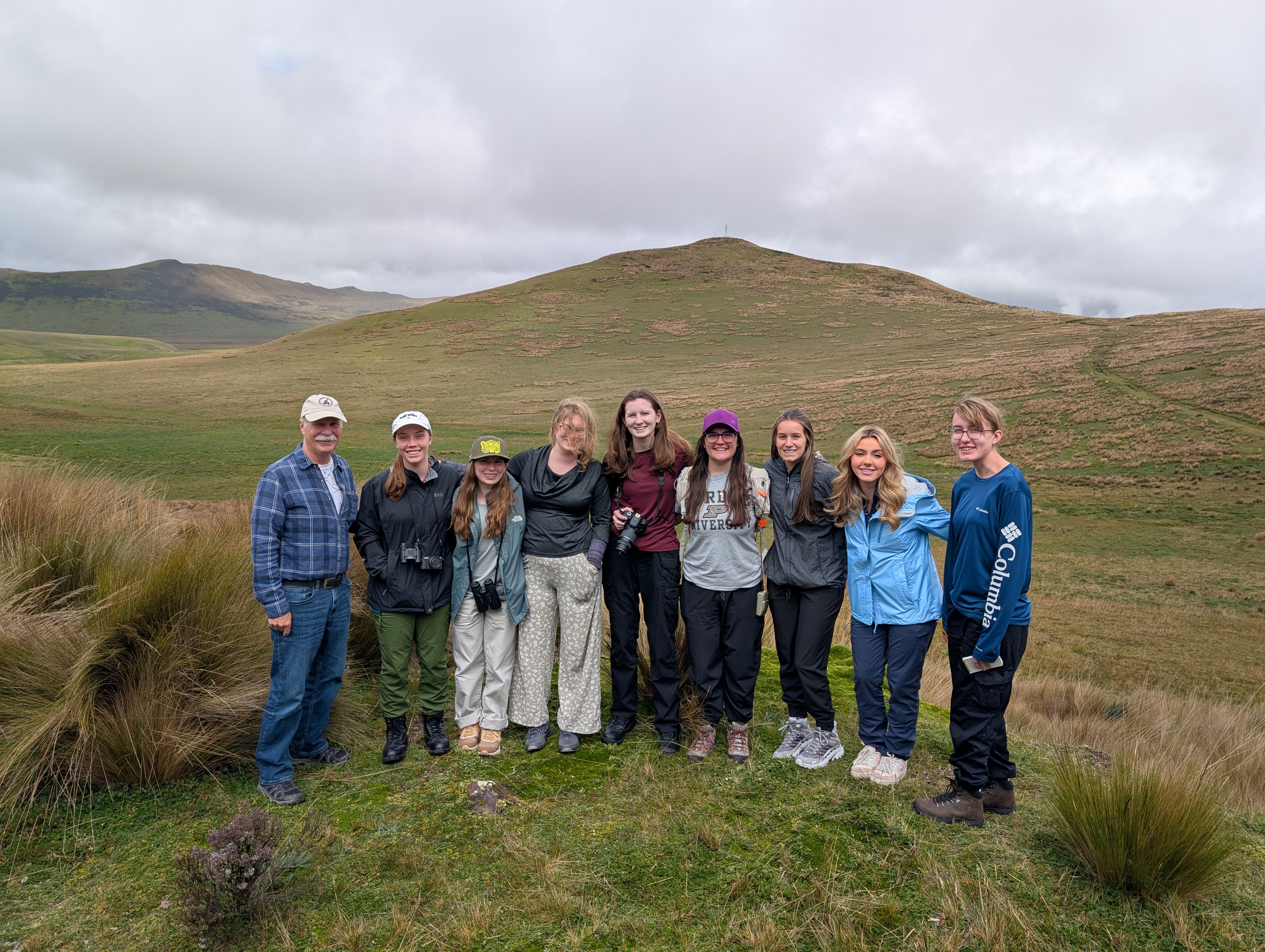
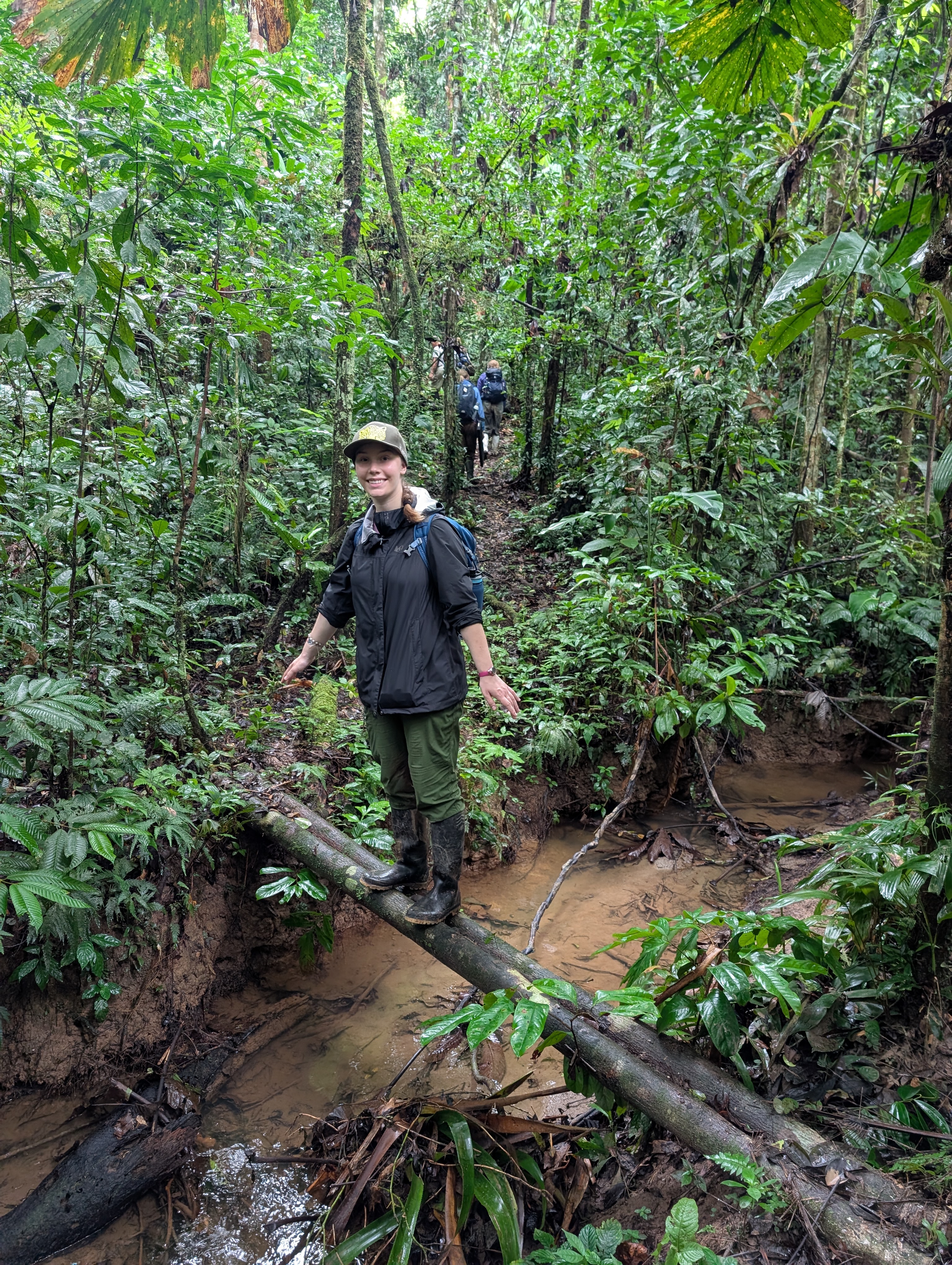
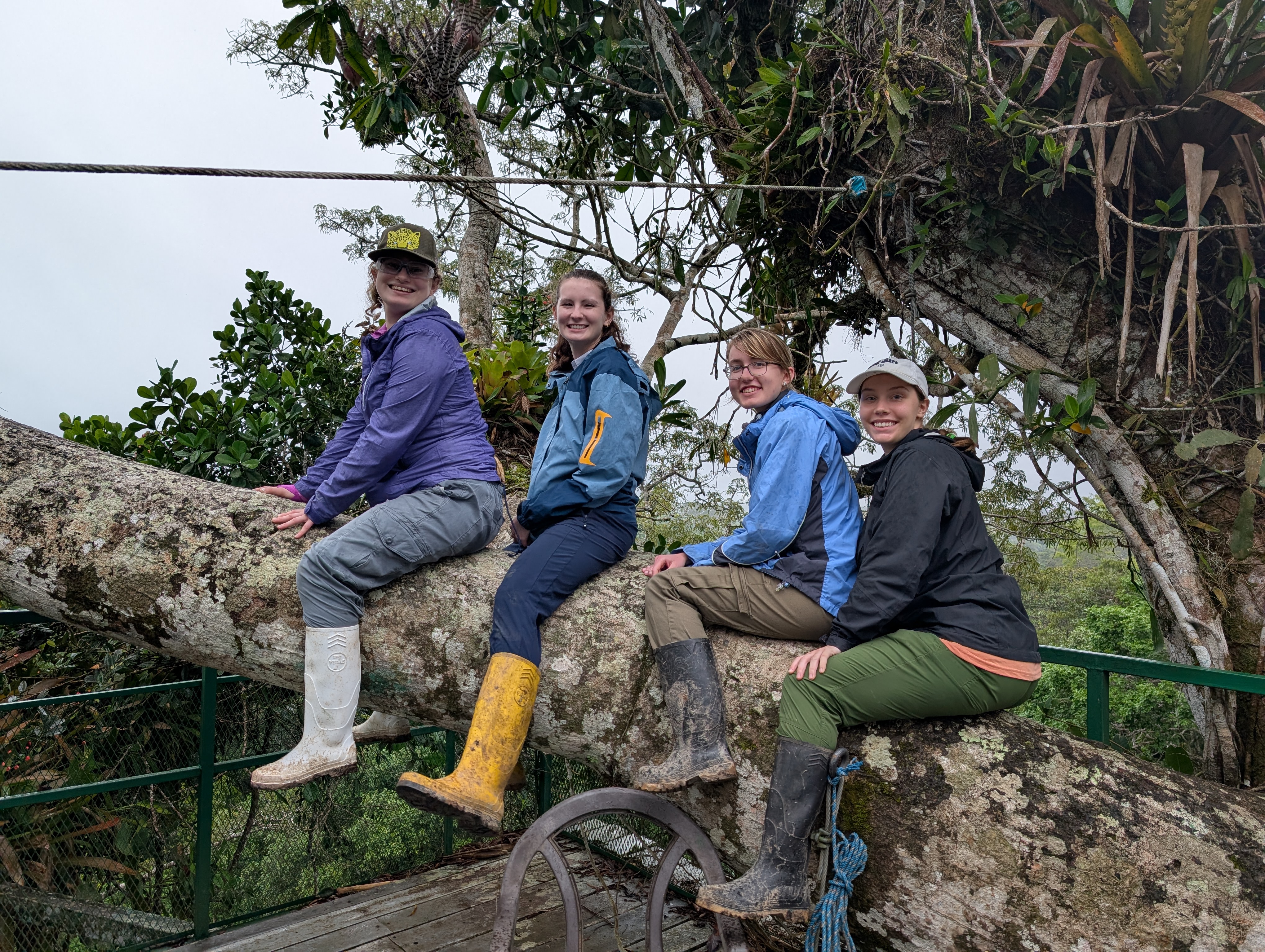
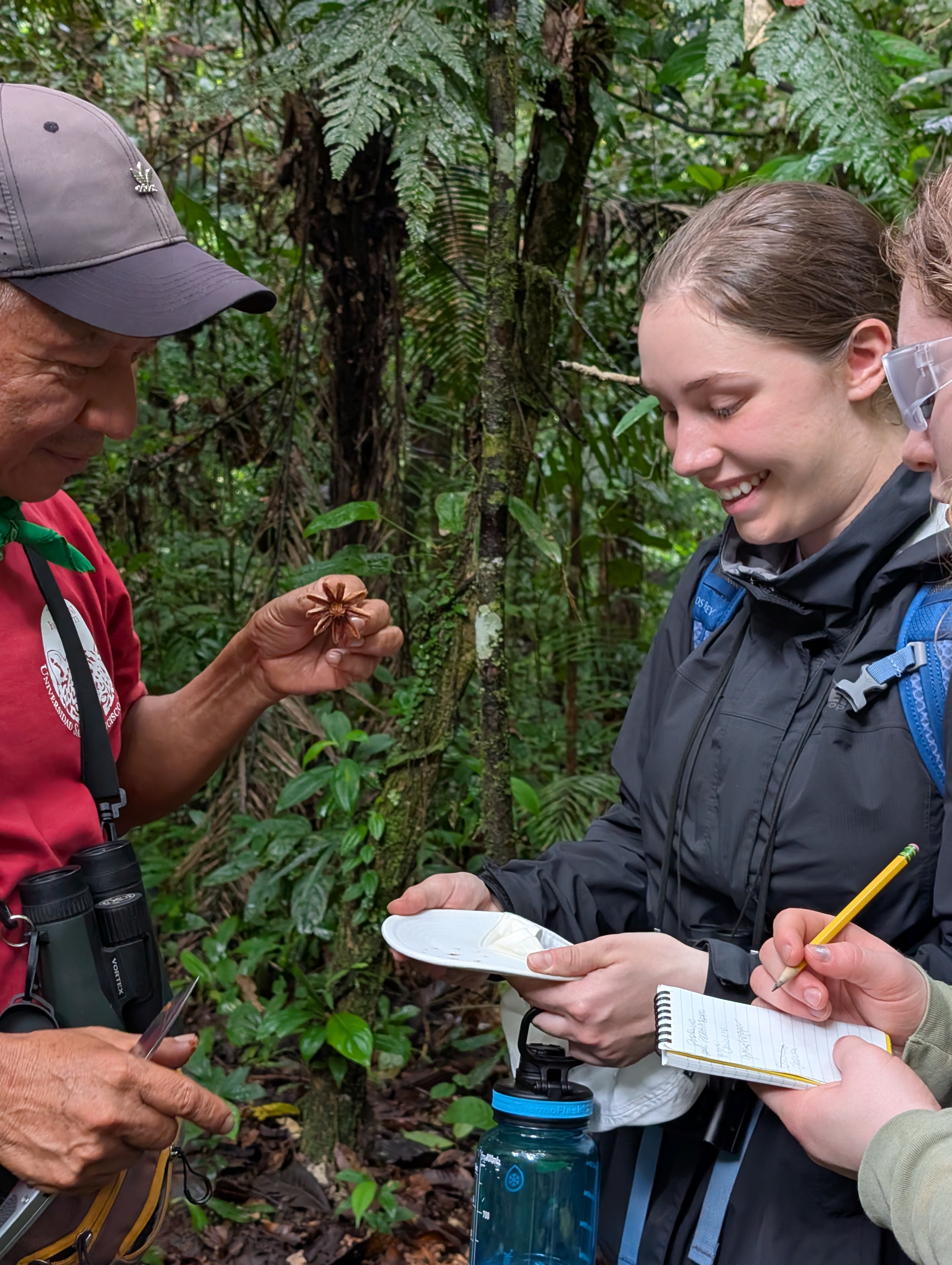
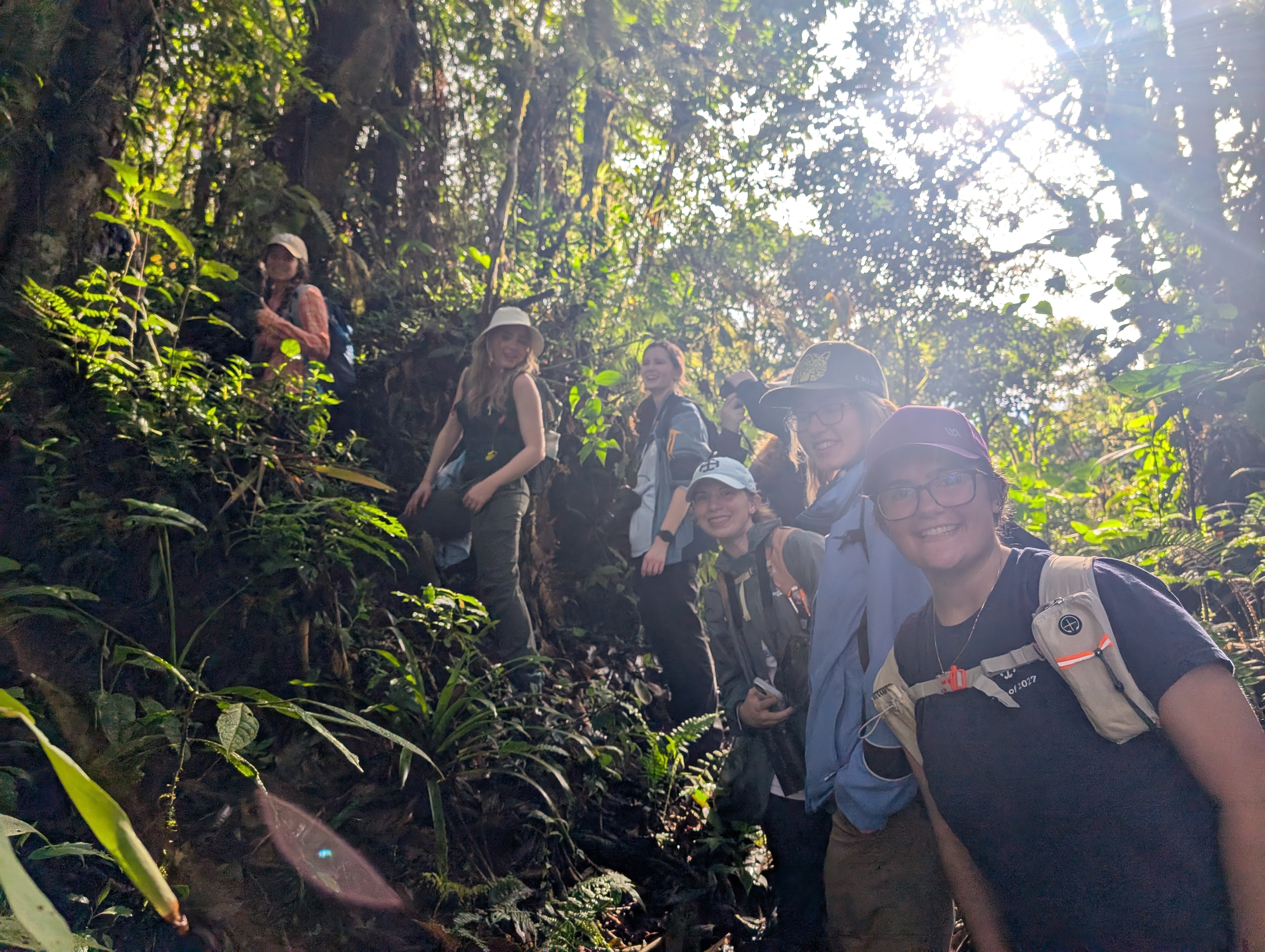
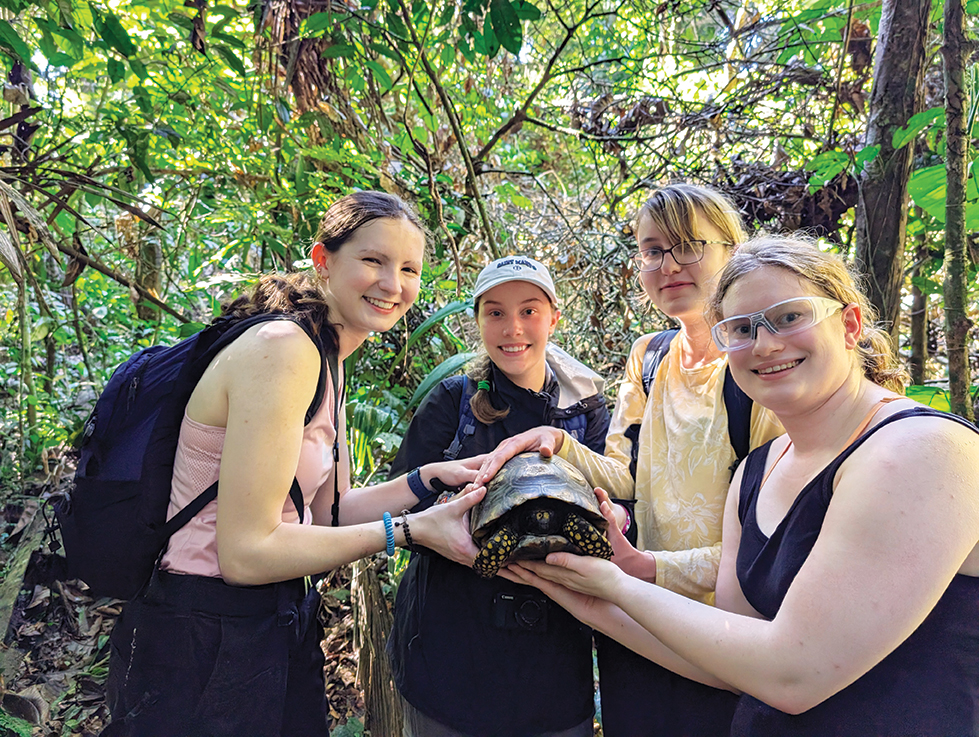
Last summer, Hilliard made her fourth trip to the Tiputini Biodiversity Station (TBS), and her first with Saint Mary’s students in the Study Abroad Program. In two weeks, students can earn three credit hours toward a general education requirement in biology with no prerequisites required. In 2025, Hilliard and the students collected initial data on two yellow-footed tortoises to add to the data from 14 tortoises from Hilliard’s previous trips. Of all these tortoises, none were repeats from a previous trip, and none were juveniles. Students recorded the GPS location of each one found and marked them with a notch on its shell or a pit tag, which goes under the skin, enabling them to tell if an animal is a repeat capture.
This research aims to fill gaps in understanding the yellow-footed tortoise’s ecology, including nesting behaviors, reproductive seasons, and migration patterns. “There’s very little known about this species in general, and there’s next to nothing known about their ecology in Ecuador,” Hilliard said. “Our project hopes to fill in a number of those gaps so that we can use that information in the future to guide conservation in the region.”
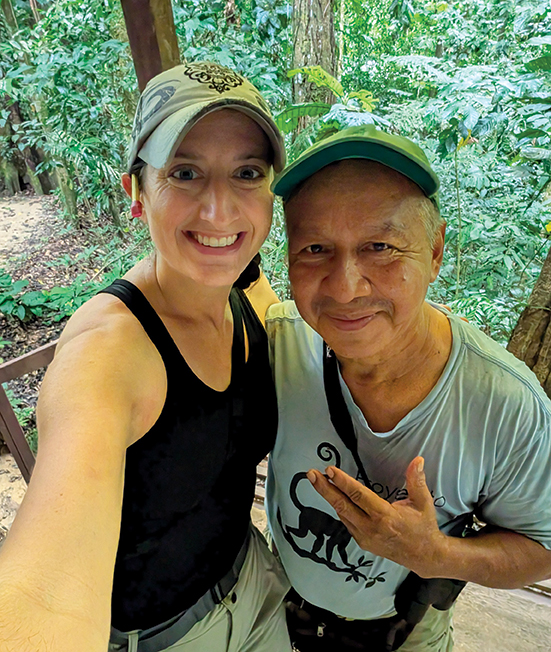
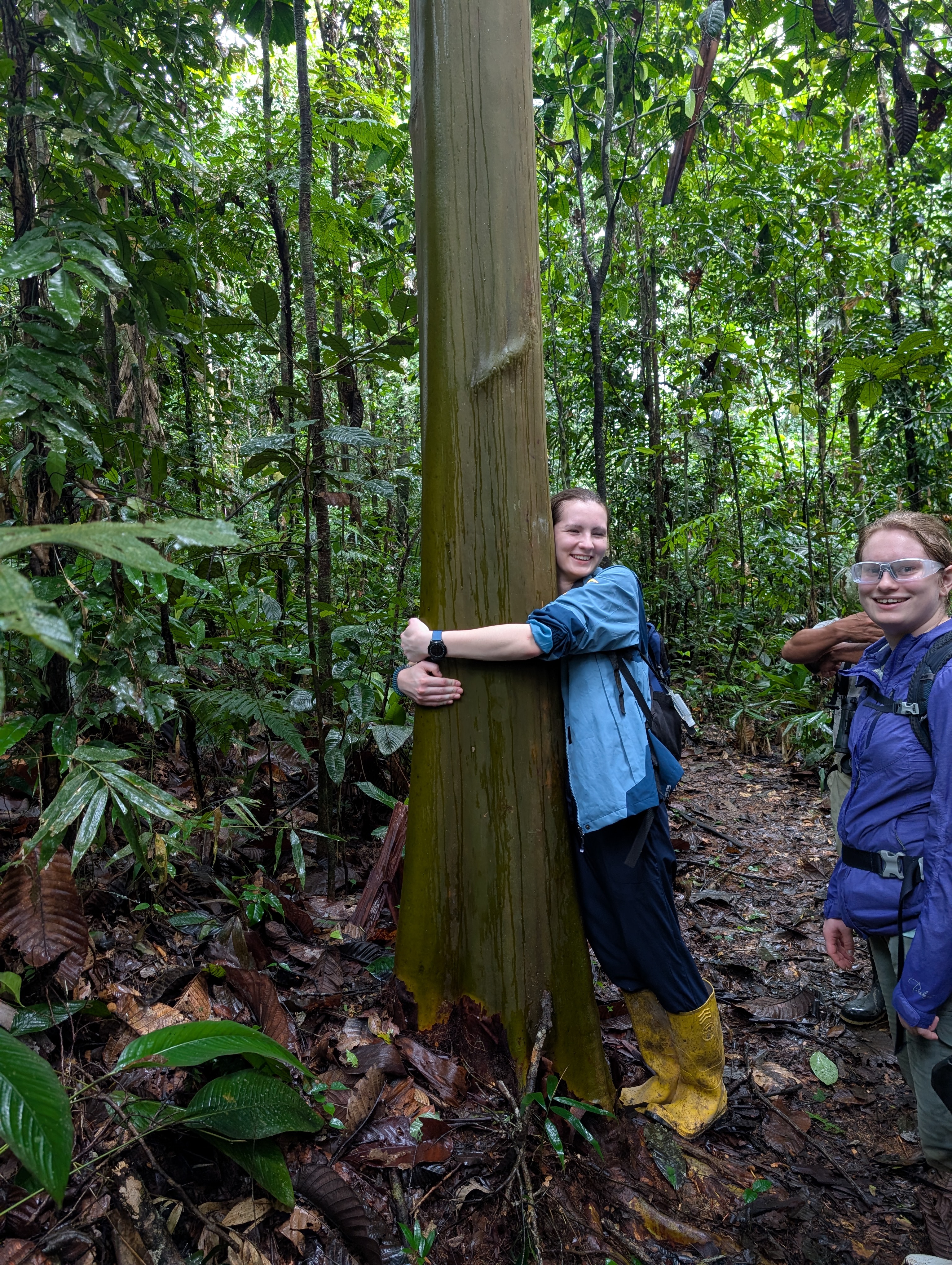
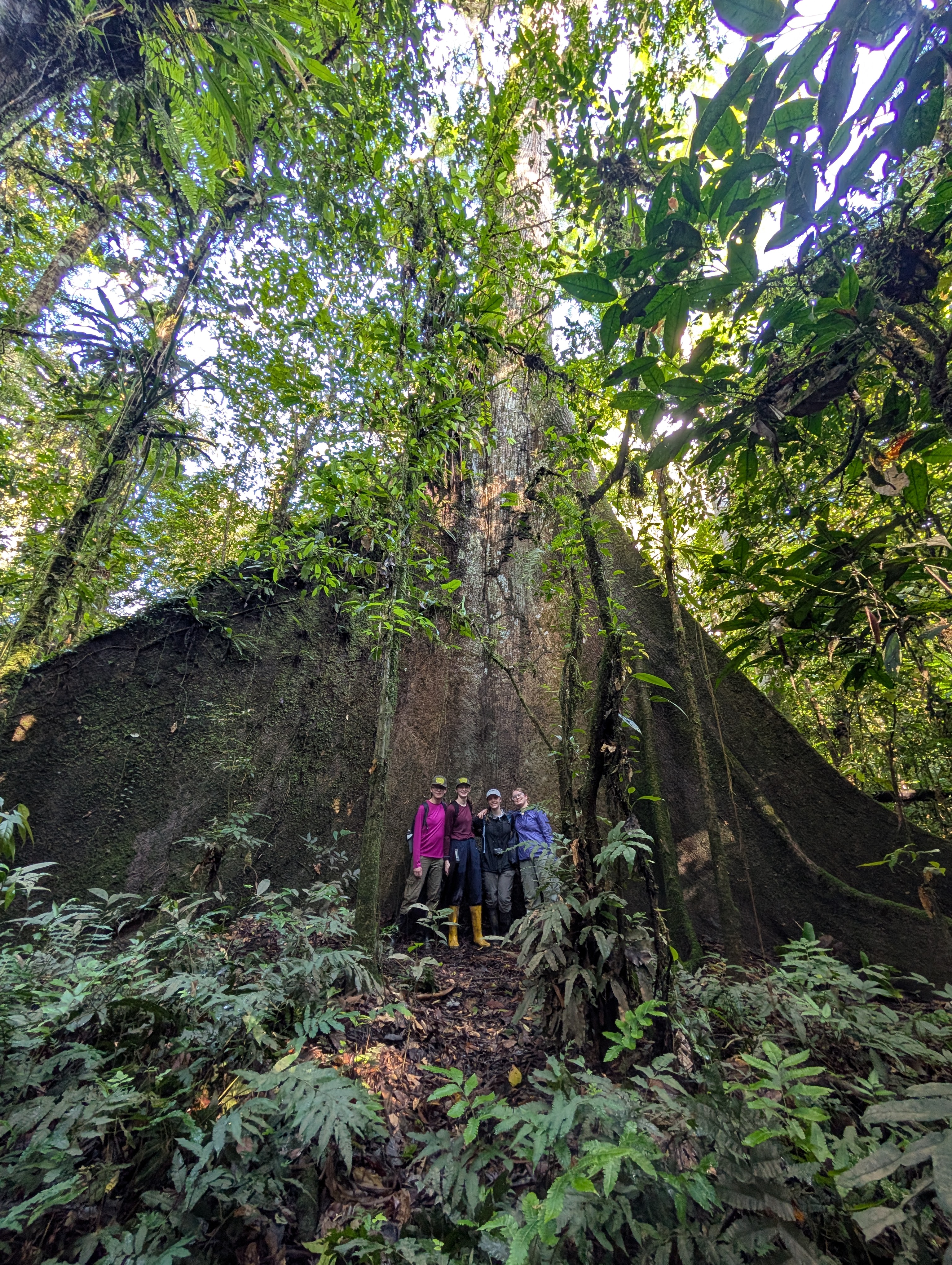
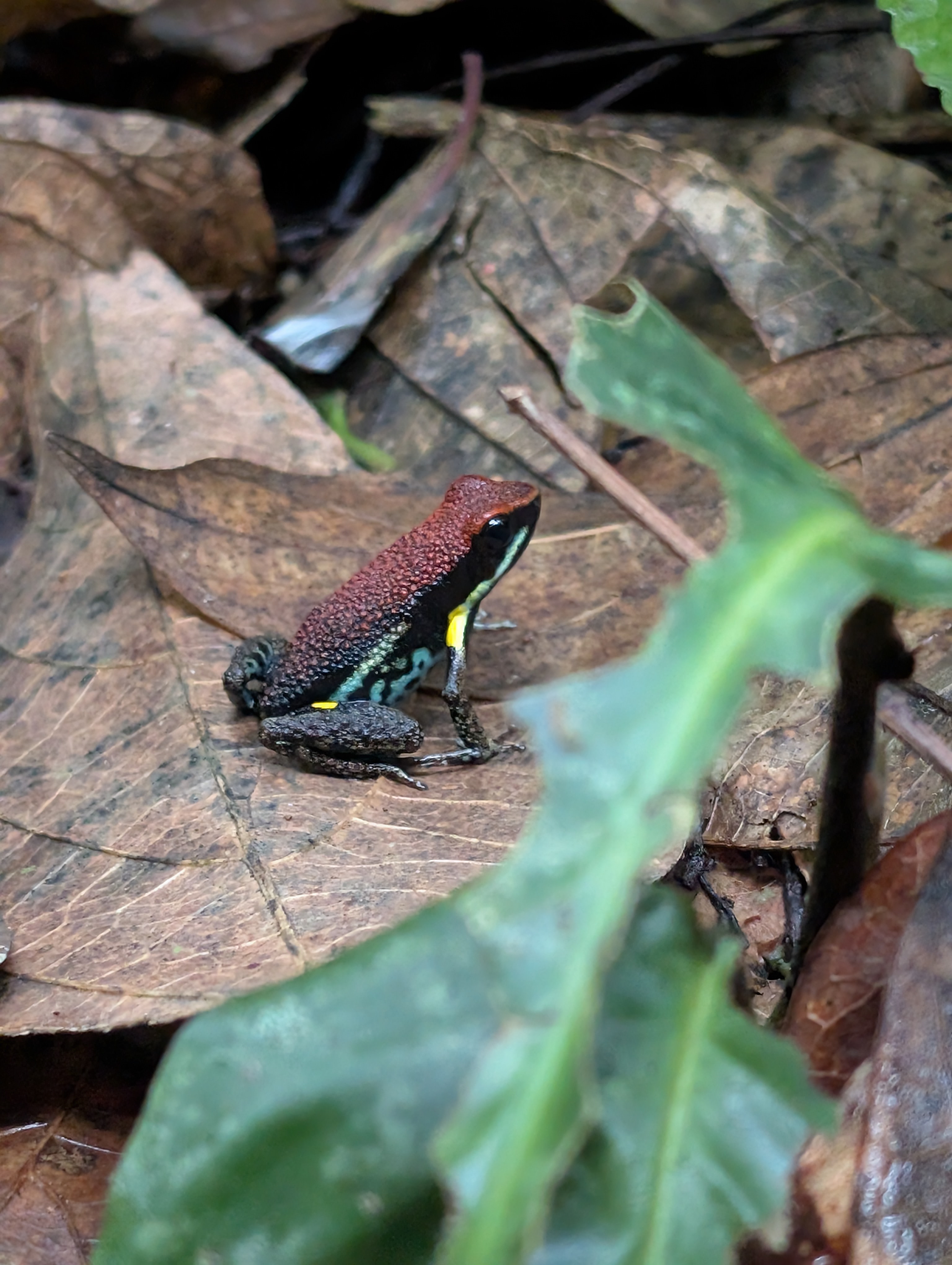
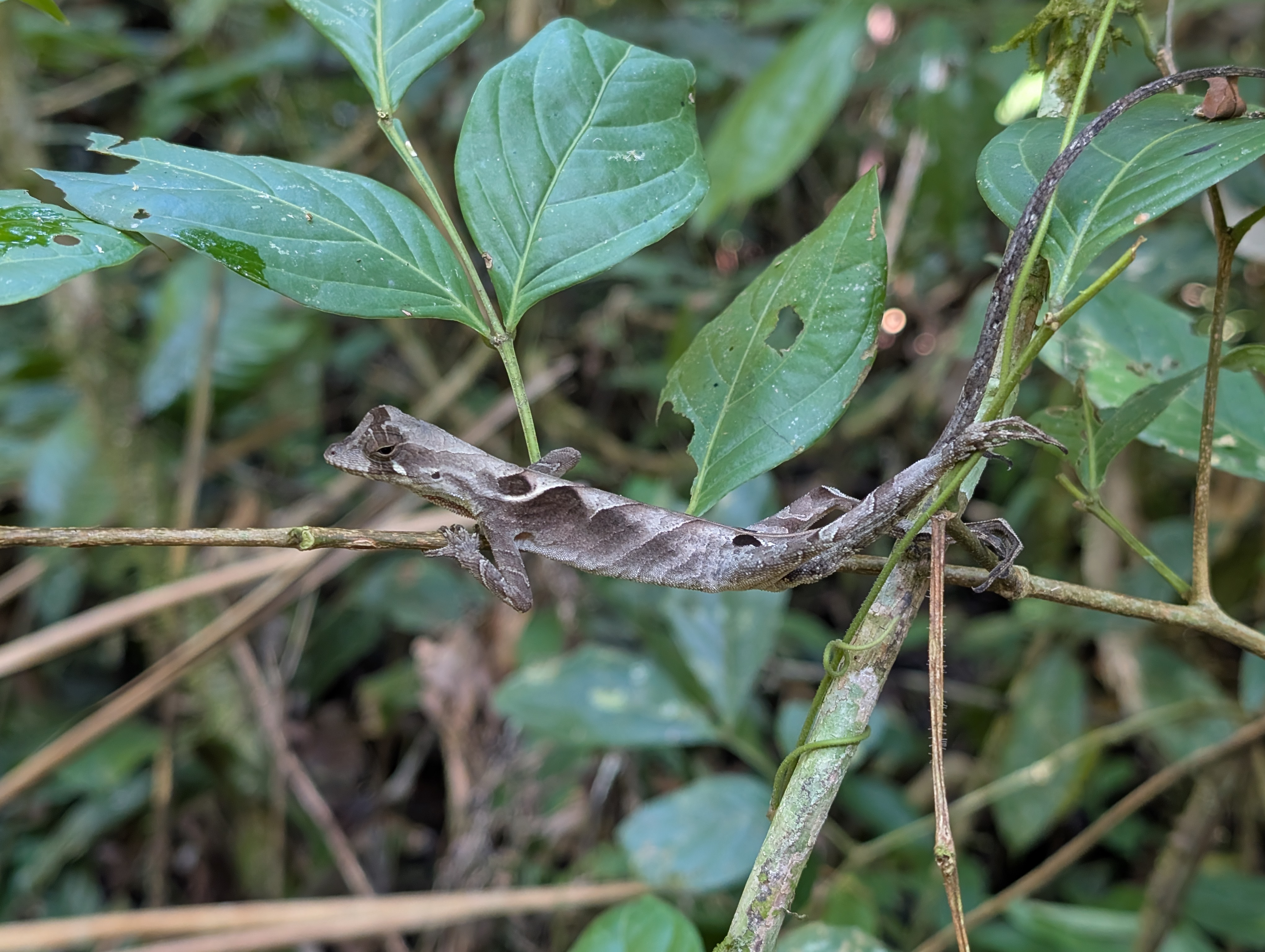
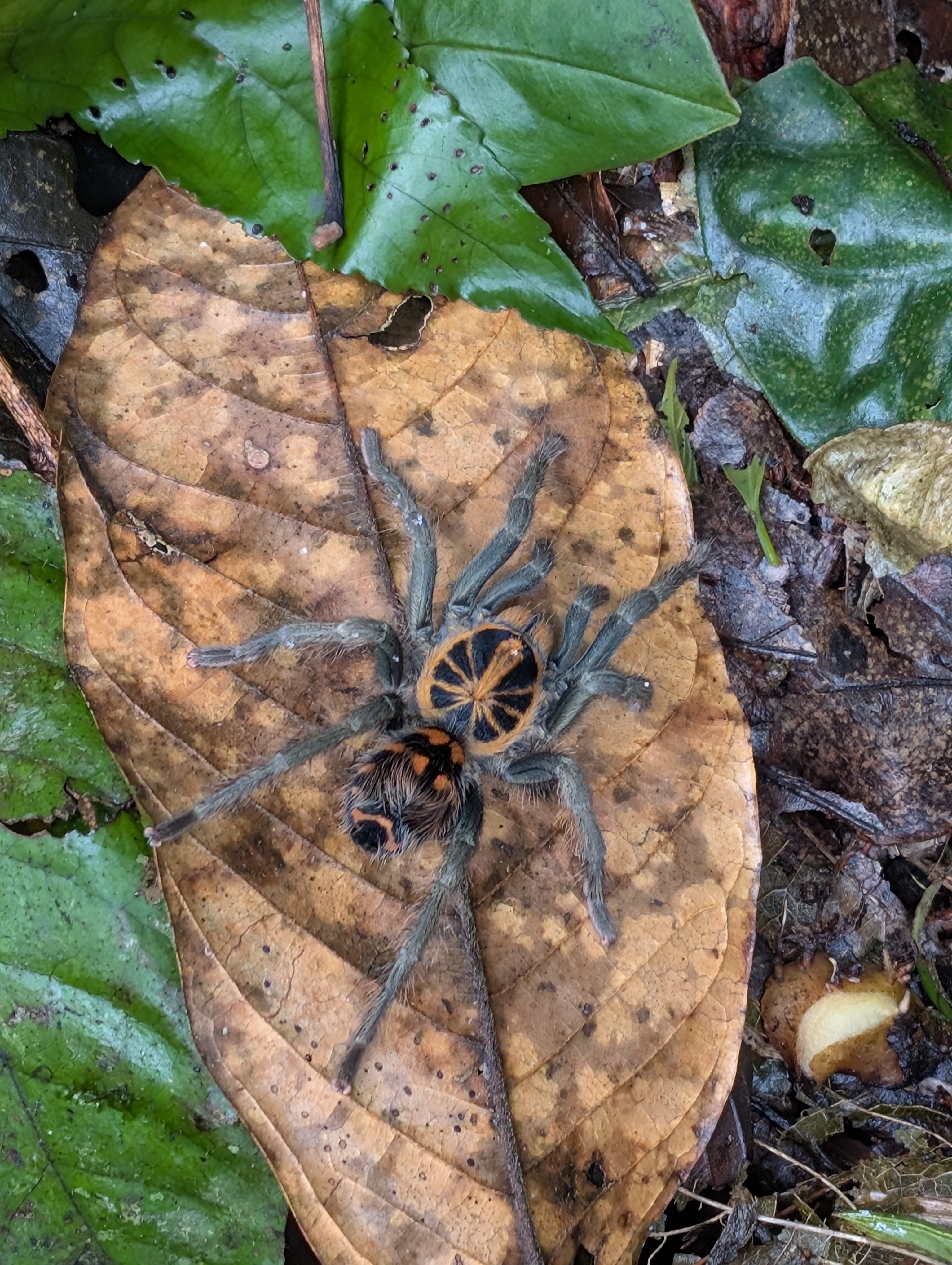
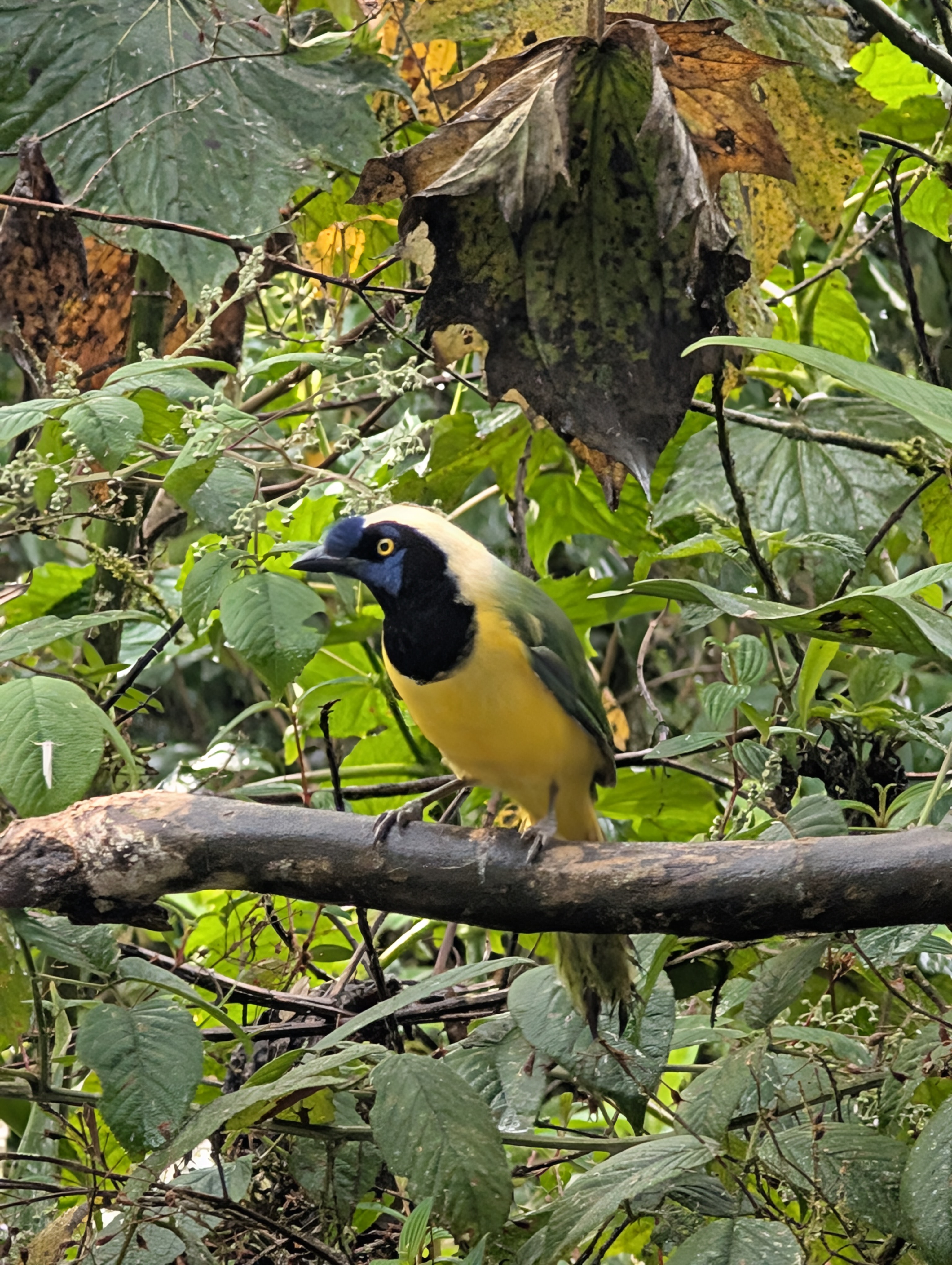
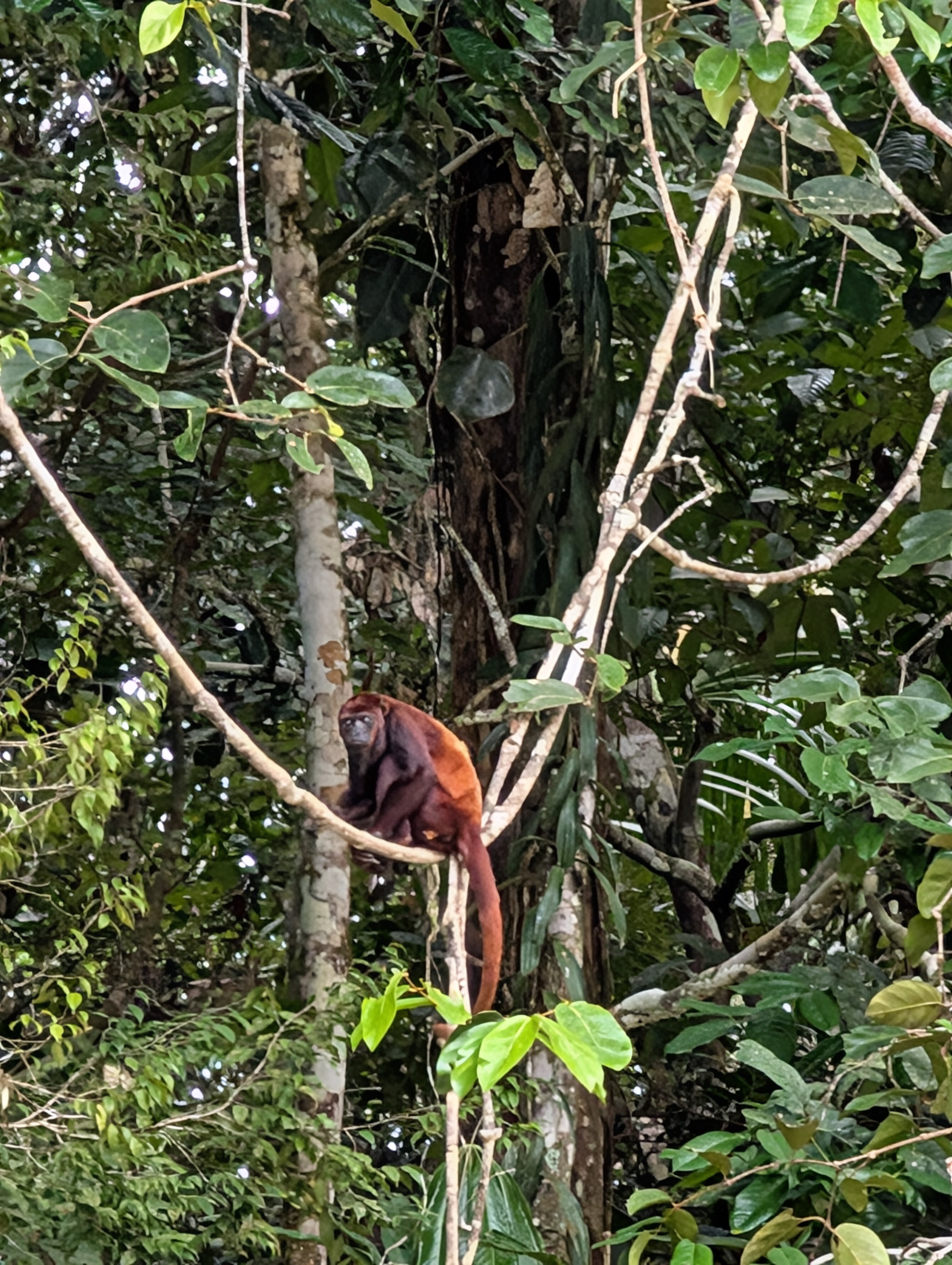
The TBS borders Yasuni National Park and is just over the mountains to the east of the Ecuadorian capital, Quito. It’s considered to be the planet’s most biologically diverse region due to its remoteness and proximity to the equator, which supports an abundance of species. “Here, one of the big drivers of biodiversity is the availability of ecological niches,” Hilliard explained. In a rainforest, species make their homes in the leaf litter just off the ground and all the way up to the canopy.
Anna Vernetti ’26 was one of the eight students on the summer 2025 Ecuador trip, an experience she knew she wanted after her first class with Hilliard as a first-year. The peripatetic Vernetti, who grew up in a military family, is the daughter of alumna Christine Premeske Vernetti ’97, a US Army veteran, and active duty Army Colonel Brett “Joel” Vernetti, both serving in Germany. The family moved at least 10 times before Vernetti arrived at Saint Mary’s.
For her senior comprehensive project, Vernetti is analysing the tortoise data she gathered in Ecuador, along with previously-gathered data of these threatened animals. The project focuses on sexual dimorphism, or body size differences between male and female yellow-footed tortoises. While on the trip, she gathered data on body mass, including each tortoise’s body length in both a straight line and the carapace, or the entire curve of the animal’s shell, and discovered that the males are larger.
“The depth of the shell and how tall the animal’s body is shows how much space they have inside,” Hilliard explained. “This can tell us, particularly for females, what their egg carrying capacity is. So larger females with deeper bodies are going to be able to carry more eggs and lay larger clutches than individuals with shallower bodies.”
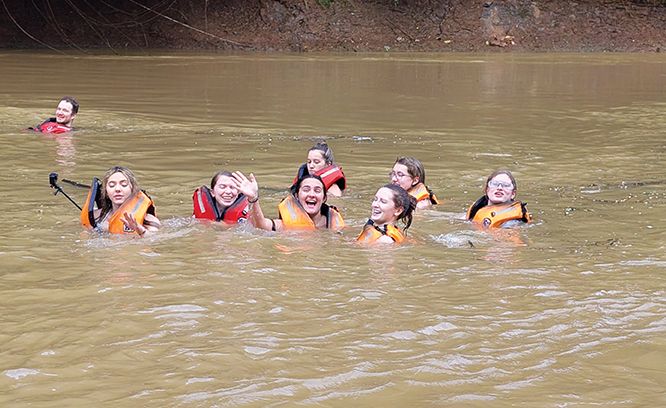
Dahl-Santoro was also familiar with Hilliard’s research when she signed up to study the ecology of Ecuador this summer. Her proposed research topic is movement patterns and mapping the locations of yellow-footed tortoises of eastern Ecuador, but she’s also open to discovery. “Since these tortoises are vulnerable, they’re rarely spotted and it’s very difficult to gather data on them in the short time I’ll be there,” she said. “We would be very lucky to find a nest or observe intraspecies interaction.”
Of her experience, Vernetti enjoyed hands-on work with living animals, something the pre-vet major knows will be helpful as she continues her career beyond Saint Mary’s. “I think being able to go out into nature and to apply what you learned in the classroom is really important. Being able to do that in such a diverse area of land was such a cool experience,” she said.
Dahl-Santoro added, “my biggest hope is that I’m able to recognize a real pattern in behavior, especially regarding human-environmental interaction. When I started designing this project, I knew I wanted to find a real-world application to my findings. So, considering these species are at risk due to habitat destruction and hunting, I knew understanding their behavior and their environment’s influence would provide a broader understanding of these organisms.”
More Than A Degree
Made possible by donor-endowed funds, along with private and public grants, summer research and learning such as Hilliard’s two-week course in Ecuador continue to be valuable experiential learning opportunities at Saint Mary’s. According to the Office of Academic Research, Grants, and Sponsored Programs, more than 35 faculty-mentored research projects are being developed by students this summer.